
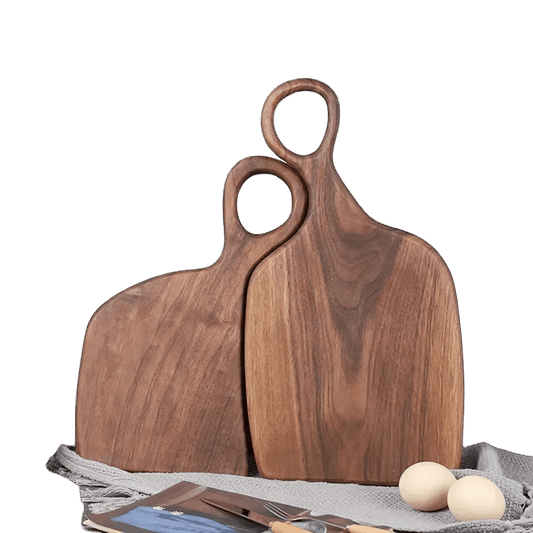




 Solid Walnut Cutting Board
01
Size and fit
Compare dimensions, thickness, and any support features. A product photo alone is not a reliable size guide.
Find your everyday board
Explore stainless steel, wood, and checkerboard designs in a range of sizes and finishes.
Choosing well
Start with your routine, the right size, and the care it needs.
Solid Walnut Cutting Board
Compare dimensions, thickness, and any support features. A product photo alone is not a reliable size guide.
 Round Reversible Acacia Cutting Board
Cutting feel also depends on the material. Compare the board’s faces, grips, and support details with your everyday routine. Follow your knife maker’s guidance when choosing a cutting surface.
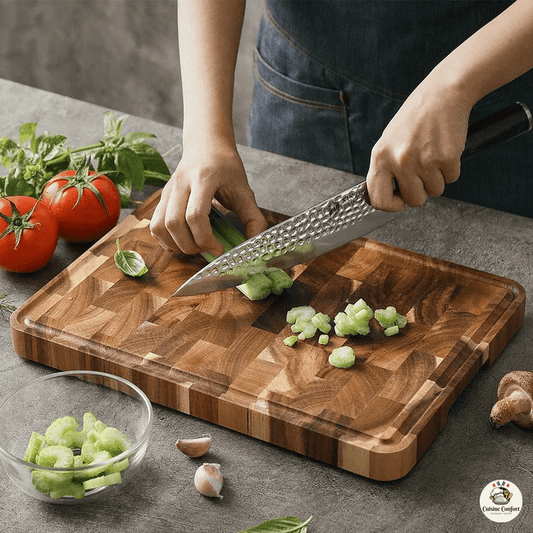
 Hezhen Thick Acacia Cutting Board
Clean after use and dry thoroughly. Only use a dishwasher if the instructions for your specific board allow it.
Need help choosing?
Contact us
A cutting board must be suited to the way you cook: everyday chopping, meat prep, vegetables, bread, cheese, or heavier-duty use.
The right model improves cutting comfort, protects your countertop, preserves your knives, and makes kitchen hygiene easier. Solid wood, stainless steel, bamboo, acacia, plastic, or a thick butcher-block-style cutting board: each material has its advantages depending on how you use it.
Meat, fish, vegetables, fruit, bread, or cheese: choose a surface designed for your needs.
A good cutting board limits blade wear and makes everyday slicing more stable.
Wood, stainless steel, bamboo, or plastic: each material needs different care to stay clean and durable.
A stable, thick, and well-sized cutting board makes prep work more comfortable and precise.
Each material has its advantages. Wood is comfortable for knives, stainless steel is practical for hygiene, plastic stays lightweight, and acacia or checkerboard models create a more premium look.
| Material | Ideal for | Benefits | Good to know |
| Wood | Everyday cooking, bread, vegetables, cheese | Gentle on knives, natural, stable | Requires regular oiling |
| Acacia | Even cutting, serving, decorative cooking | Resistant, attractive, durable | Dry quickly after washing |
| Stainless steel | Meat, fish, moist foods | Nonporous, hygienic, quick to clean | Firmer surface than wood |
| Plastic | Quick use, family cooking | Lightweight, practical, easy to handle | Replace it if the scratches become deep |
| Bamboo | Everyday use, lightweight cutting board | Lightweight, attractive, good value for money | Avoid prolonged soaking |
Ideal for: everyday cooking, bread, vegetables, and cheese.
Benefits: gentle on knives, natural, and stable.
Good to know: requires regular oiling.
Ideal for: even cutting, serving, and decorative cooking.
Benefits: durable, attractive, and long-lasting.
Good to know: to dry quickly after washing.
Ideal for: meat, fish, and wet foods.
Benefits: non-porous, hygienic, and quick to clean.
Good to know: firmer surface than wood.
Ideal for: quick use and family cooking.
Benefits: lightweight, practical, and easy to handle.
Good to know: to replace it if the scratches become deep.
Ideal for: everyday use and a lightweight board.
Benefits: lightweight, attractive, and good value for money.
Good to know: avoid soaking for long periods.
The best cutting board depends mainly on how you use it. For everyday cooking, a wood or bamboo cutting board offers a good balance of comfort, stability, and knife care. For moist foods like meat or fish, a stainless steel or plastic cutting board may be easier to clean quickly.
If you are looking for a durable cutting board that's pleasant to use, solid wood, acacia, or checkerboard models are especially appealing. They provide a stable surface, better cutting comfort, and a warmer look on the countertop.
The wood cutting board remains a safe choice in the kitchen. It offers a pleasant, stable surface that is gentler on blades than a very hard surface. It’s a great choice for cutting vegetables, bread, fruit, herbs, cheese, or cooked meats.
The stainless steel cutting board is a good choice for people looking for a nonporous, sturdy surface that is easy to wash. It does not retain odors and is easy to clean after cutting moist foods.
The acacia cutting boards are appreciated for their density, natural tones, and premium look. Acacia works very well in kitchens where the cutting board stays visible on the countertop.
The plastic cutting boards are lightweight, easy to handle, and practical for a family kitchen. They can be used by color or by use to separate meat, fish, vegetables, and ready-to-eat foods.
The checkerboard cutting boards offer a thick, stable surface with a highly refined look. Their construction gives them a premium look that recalls the boards used in demanding kitchens.
The choice also depends on the type of food. Some materials are better suited to wet prep, while others offer better cutting comfort for vegetables, bread, or cheese.
| Use | Recommended cutting board | Why? |
| Raw meat | Stainless steel or plastic | Quick cleaning and easy separation of raw foods. |
| Vegetables | Wood, bamboo, or acacia | Good stability and comfortable everyday cutting. |
| Bread | Wood or bamboo | A pleasant surface suited to repeated cutting. |
| Cheese / appetizer | Acacia or solid wood | Can be used both for cutting and serving. |
| Heavy use | Checkerboard, thick wood, or professional model | More stability, better durability, and improved comfort. |
Recommended board: stainless steel or plastic.
Why: quick cleaning and easy separation of raw foods.
Recommended board: wood, bamboo, or acacia.
Why: good stability and comfortable everyday cutting.
Recommended board: wood or bamboo.
Why: a pleasant surface suited to repeated cutting.
Recommended board: acacia or solid wood.
Why: can be used both for cutting and serving.
Recommended board: checkerboard, thick wood, or professional model.
Why: more stability, better durability, and improved comfort.
A well-maintained cutting board lasts longer and stays more pleasant to use. Clean it after each use, with quick drying to avoid standing moisture.
For wooden models, oiling helps nourish the material, reduce cracking, and extend the life of the cutting board. Find our full guide here: caring for and oiling a wooden cutting board.
Wood is ideal for cutting comfort and knife protection. Stainless steel is practical for hygiene and quick cleaning. Plastic is suitable for simple, everyday use, while bamboo offers a lightweight, natural option.
To protect your knives, choose a cutting board made of wood, acacia, or bamboo. These surfaces are generally gentler on the blade edge than very hard materials.
For raw meat, choose an easy-to-clean surface like stainless steel or plastic. The key is to wash and dry the cutting board right after use.
No, the dishwasher is not recommended for wooden boards. Heat and prolonged moisture can cause cracks, warping, or drying out of the material.
Yes, it's recommended. Using multiple cutting boards makes it easier to separate raw foods, vegetables, bread, or ready-to-eat foods.
Whether you're looking for a wood cutting board, a stainless steel cutting board that’s easy to clean, an elegant acacia model, or a practical cutting board for everyday use, our collection helps you choose the right surface for your kitchen.
Choose your cutting board and gain comfort, precision, and enjoyment with every prep session.You can also discover our wood cutting boards, our stainless steel cutting boards or our plastic cutting boards.